Table of Content
- What is the best way to filter water at home?
- Treat Drinking Water With UV Light
- Filtering Water in Wilderness Emergencies
- Ice Plant, delosperma
- How to Make a DIY Water Filtration System Using Sand or Gravel
- How do you make a water filter with sand and charcoal DIY experiment?
- Emergency Nanocarbon Water Filter
The one you’ll learn about below only does the latter. To purify water, start by straining out large particulates like pebbles, insects, or plant matter. Pour the water from one container to another, passing it through a mesh strainer lined with a dish towel. If you don’t have a strainer, pour the water into a container and let it settle for 1-2 hours.

Doing so allows you to remove the main solid impurities from the water, as well as the insect larvae it may contain. The fabric used, preferably cotton, should be thick enough to retain impurities. The cheapest way to filter water methods presented in this sheet make it possible to make the water drinkable. WikiHow is a “wiki,” similar to Wikipedia, which means that many of our articles are co-written by multiple authors. To create this article, 115 people, some anonymous, worked to edit and improve it over time.
What is the best way to filter water at home?
Small amounts of liquid iodine or iodine tablets can be used to kill toxins in water. However, like bleach, iodine is a chemical, and it is intended only for short-term use. After the two have been mixed, let the chlorinated water sit for half an hour before drinking. The purified water should slightly smell of chlorine. Since boiling contaminated water will remove all oxygen from the liquid, the resulting purified water may end up tasting flat. This is a very minor negative that can easily be fixed by simply shaking the purified water up a bit.

Alternatively, use two buckets will also work, one with a hole cut into the bottom. Different UV lamps or light pens have different intensities, so follow the manufacturer's instructions.
Treat Drinking Water With UV Light
There’s not much point in making a DIY water filter if you have to spend loads of money buying new equipment to make it work. A much better option, and one that’s kinder to the environment, is to install a water filtration system in your home. Most of us understand the importance of healthy living, and part of that is drinking enough water every day. Make sure you have gloves, goggles, and a face mask on hand (you will be handling cleaning chemicals so safety is a top priority!).

If you start to feel sick after drinking it, see a doctor right away. Install a whole-house water filter if your water is severely contaminated and unsafe even for bathing. The high temperature, not the boiling action itself, is responsible for killing bacteria and viruses.
Filtering Water in Wilderness Emergencies
Pour water into the top container and watch it drip slowly through the filter, into the bottom container. If you're lucky enough to find a mountain spring bubbling from the rocks, it's usually safe to drink directly from it – but this does not apply even a couple feet (0.6 m) away. Pregnant women and people with thyroid conditions should not use this method, and no one should use it as their main source of water for more than a few weeks. Still, descaling will remove any mineral deposits that may be clinging to your brewer's internal components. This in turn ensures your coffee maker brews its optimally designed temperature. Another coffee machine part that's prone to grime is the drip tray.
Yes, water bottles are also infinitely wasteful & harmful to the environment. It is why it is essential to provide clean water to use at home, as it leads to any household member’s safety. Not only does it keep you safe, but it also lets you save more money because bottled water would not be required.
Ice Plant, delosperma
Coffee drips can evaporate here too, leaving stains behind. A quick hand wash in the kitchen sink will clear up this mess in a jiffy. First, make sure the coffee maker is powered off and unplugged. Next use a damp cloth to wipe away dust and other debris from the outside of the machine. First, it may need to be relocated to get a more accurate water temperature reading. If it’s too far from the cold water inlet, it will underestimate how hot the water is, allowing it to overheat.
The best water filtration method for you will depend on your environment, your budget, and how much effort you want to invest. Some filters are damaged by hot water; check the manufacturer's instructions. A faucet-mounted filter is convenient if you want to filter all your tap water, but can slow down flow rate. Charcoal (or "carbon") filters are cheap and widely available. They will filter out most organic contaminants, including lead, mercury, and asbestos.
The next step is to stuff a soft filter into the bottle and push it toward the neck. A bandana works well as a filter, and it’s a readily found item. Alternatively, you could use several cotton balls or a coffee filter. As a point of reference, the neck of the bottle will be the bottom of the filter, and the part with the opening you created is the top.
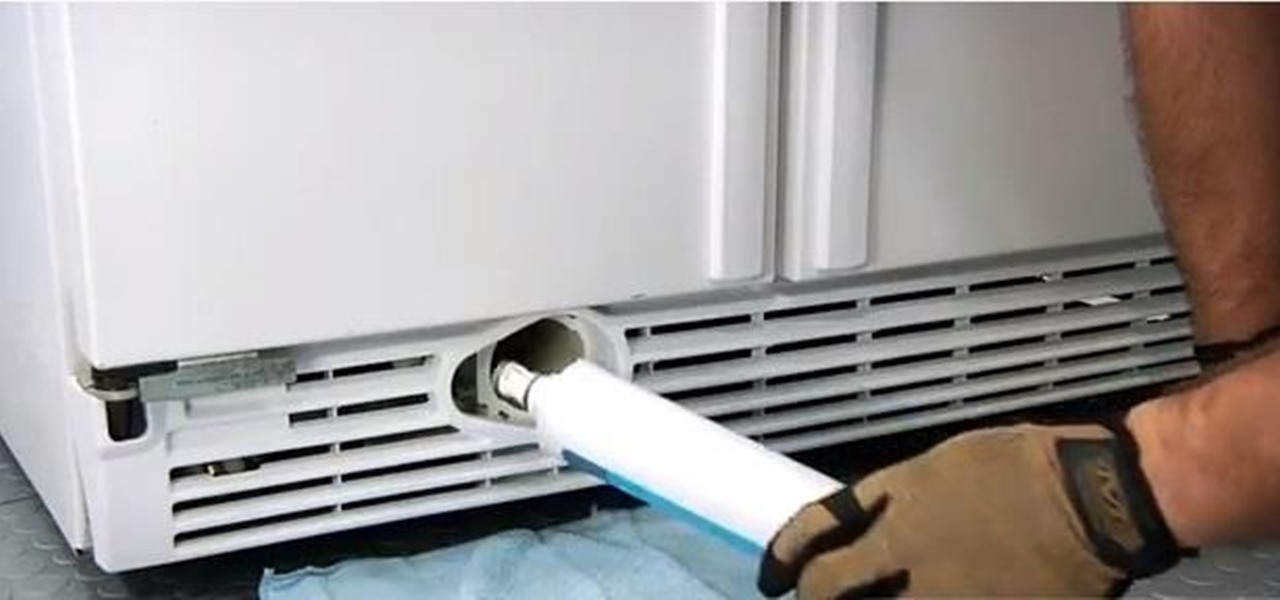
It is only effective as a pretreatment for disinfection methods by solar radiation, chlorination or boiling. Shallow treatment unable to provide drinking water if the water is contaminated at source. The water can be filtered easily with the help of a cloth.
Charcoal makes an excellent water filter, and is in fact the material used to filter water in many manufactured filters. You can make your own charcoal in the wild if you are able to build a fire. Built a hot wood fire and let it burn out completely. Cover it with dirt and ashes, and wait at least a few hours before digging it up again. Once it has completely cooled, break up the charred wood into tiny pieces, or even into dust.


No comments:
Post a Comment